

MIPS WORKS

Impact

Four decades of products, companies, and jobs: measured, audited, and still compounding.

41:1

CUMULATIVE RETURN TO THE STATE, PER MIPS DOLLAR

7323

Maryland Companies

14,000

Direct Jobs Created

$54.2B

Product Sales Generated

27,000

Total Jobs Created

87%

Of MIPS-funded start-ups still in business five years later

$125M

Annual County Tax Revenues From MIPS Companies

63%

Of all MIPS-funded start-ups since 1987 still in business today

$166M/yr.

in annual state tax revenue from MIPS-supported companies, more every single year than the program's $60M lifetime cost. MIPS pays for its lifetime of funding every year.

MIPS AT A GLANCE

PROGRAM TOTALS, JUNE 2026

78

Competitive Rounds

523

Faculty Researchers

733

Maryland Companies

1,061

Individual Projects Funded

1,511

Contracts & Amendments

2,838

Applications Received

LEADING PRODUCTS AIDED BY MIPS

THE LONG GAME

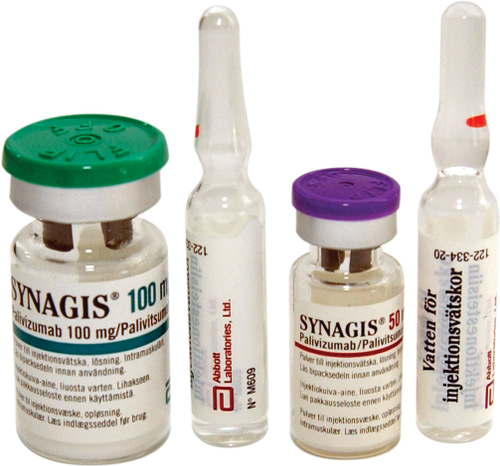
A parent's hand gently touching a newborn baby's head in a hospital.Vials and ampules of Synagis (palivizumab) medication.

MedImmune

Synagis

MedImmune / AstraZeneca · Gaithersburg, MD

MedImmune's first major product (an RSV vaccine) got crucial MIPS support in the company's early, pre-market days

$18B in total sales to date

Bowie State MIPS projects helped secure the Synagis patents; UMBC projects helped win FDA approval of the manufacturing process

MedImmune was acquired by AstraZeneca for $15.6B, and stayed and grew in Maryland, where AstraZeneca has created 10,000 jobs

WATCH: SYNAGIS
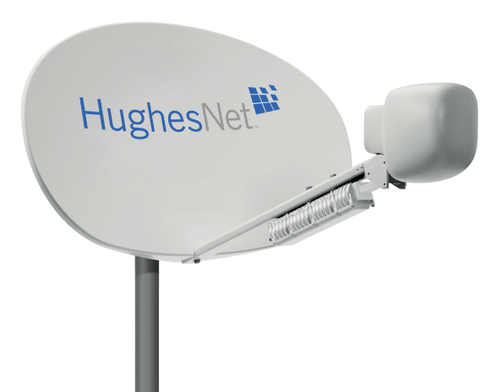
Illustration of a HughesNet communications satellite in orbit.HughesNet satellite internet dish antenna.

Hughes Network Systems

HughesNet

Hughes Network Systems · Germantown, MD

The world's leading broadband-by-satellite service

$31.2B in revenue; acquired by EchoStar for $2B

More than 2 million systems ordered or shipped to customers in 100 countries

Built on breakthrough algorithms designed by UMD Professor John Baras under MIPS funding

WATCH: HUGHESNET

COMPANY STORIES

RECENT COMPANIES & PROJECTS

WATCH: SILVEC BIOLOGICS · GAITHERSBURG, MD

Astek Diagnostics

Astek is developing a point-of-care test that determines, within an hour, whether a patient has a urinary tract infection and which antibiotics will work. The stakes: 8.1 million UTI-caused U.S. hospital visits last year, 47 percent treated with inappropriate antibiotics, 25 percent of sepsis cases caused by UTIs, and $1.6 billion in mistreatment costs. CEO Mustafa Al-Adhami (UMBC M.S. '15, Ph.D. '20) licensed the testing technology from UMBC, where he is an inventor on the patent. Astek's four MIPS projects include two phases of one-hour antibiotic sensitivity testing and AI-driven microfluidic design; the company's Jiddu Platform aims beyond urine at cerebrospinal fluid, wound effluent, and blood.

Astek Diagnostics team members working together in their office.

“When we started, we could not afford our own lab space in Baltimore City. With the help of MIPS, we were able to have access to a partner's lab. That was really a game-changer. Without that, we would not have been able to verify our technology and we would not be here today.”

— Mustafa Al-Adhami, CEO, Astek

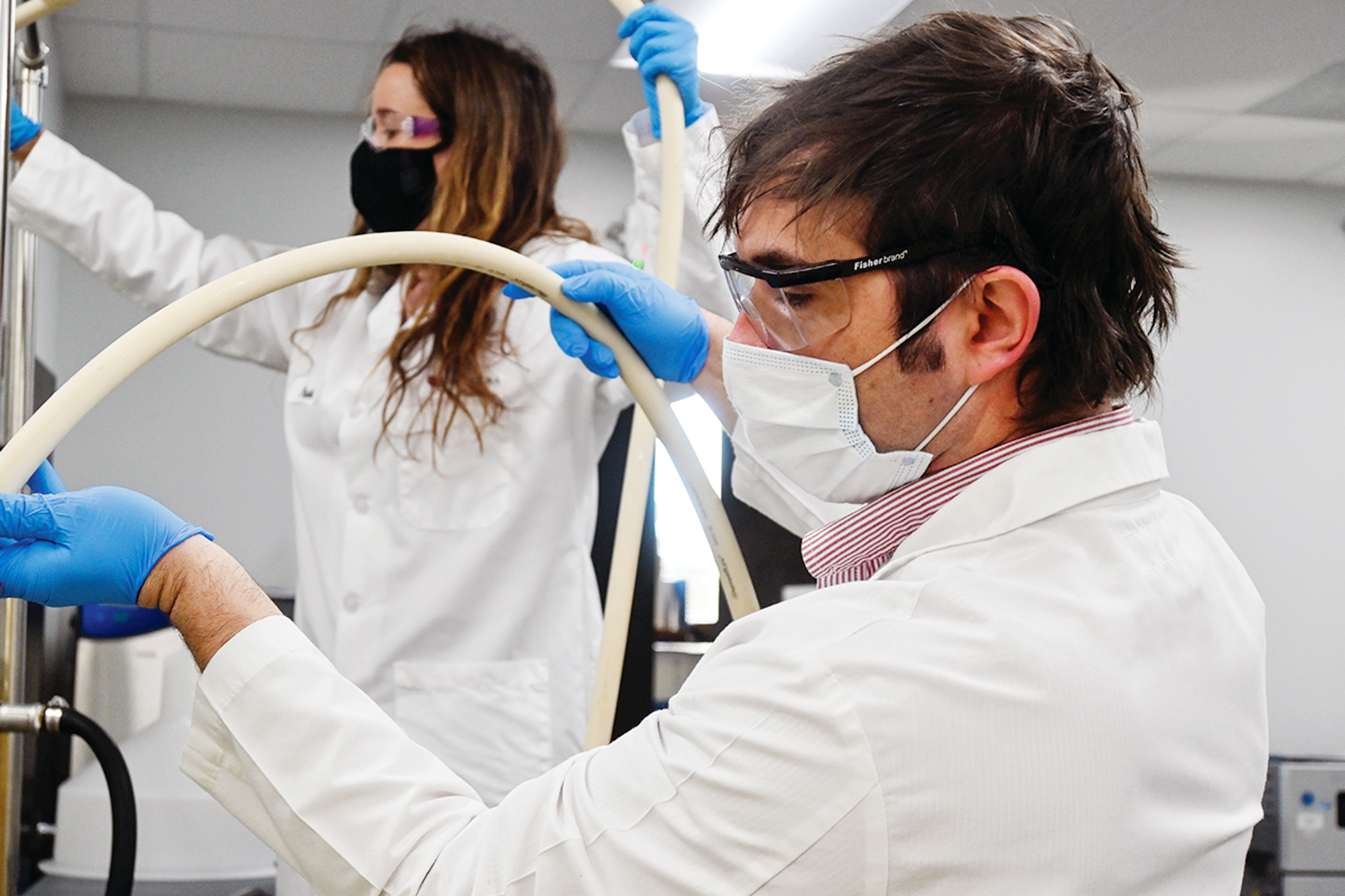
Medcura researchers in lab coats and safety gear testing a product in the lab.

WATCH: MEDCURA

Gel-e/Medcura

“Gel-e [now Medcura] simply would not be alive and thriving without the support of MIPS. Our 2008 MIPS grant was the first substantial research grant that we received.”

— Matthew Dowling, Chief Scientific Officer and Director, Medcura

Medcura

Medcura is a commercial-stage medical device company whose platform combines safe, inert ingredients with patented chemistries to control bleeding across surgical, medical, and consumer uses. Its LifeGel™ (surgical bleeding in spine surgery) and LifeFoam™ (traumatic wounds) both hold FDA Breakthrough Device Designations; the company also holds five FDA clearances, 28 issued patents, and 10+ peer-reviewed articles. The technology, a modification of chitosan (a nontoxic biopolymer from crustacean shells), was invented by co-founder Matthew Dowling, Ph.D. '10, who began the research as a Clark School bioengineering student in Professor Srinivasa Raghavan's lab. Dowling is now chief scientific officer. Medcura has engaged in six MIPS projects, including one phase two.

Sonavex

Sonavex, a Johns Hopkins spinout, makes ultrasound technologies that let any care team member (not just trained ultrasonographers) monitor whether a dialysis patient's arteriovenous fistula has matured, directly in the dialysis clinic. That matters because the alternative, central venous catheters, carries a high risk of dangerous bloodstream infections, and fewer than 33 percent of patients comply with separate vascular-lab visits. Its patented EchoMark & EchoSure system pairs a bioresorbable, ultrasound-visible implant with an AI-enhanced ultrasound device that reads the fistula's flow rate, diameter, and depth. The company is running a clinical trial on EchoMark and working toward a new FDA clearance.

Close-up of a hand holding a small Sonavex medical device.

“We would not have been able to afford the work done through MIPS with an outside lab. We would not have had the cash without the MIPS grant. It was a pivotal study leading to our FDA submission.”

— David Narrow, CEO, Sonavex

Group photo of the Liatris team in a lab.

Liatris

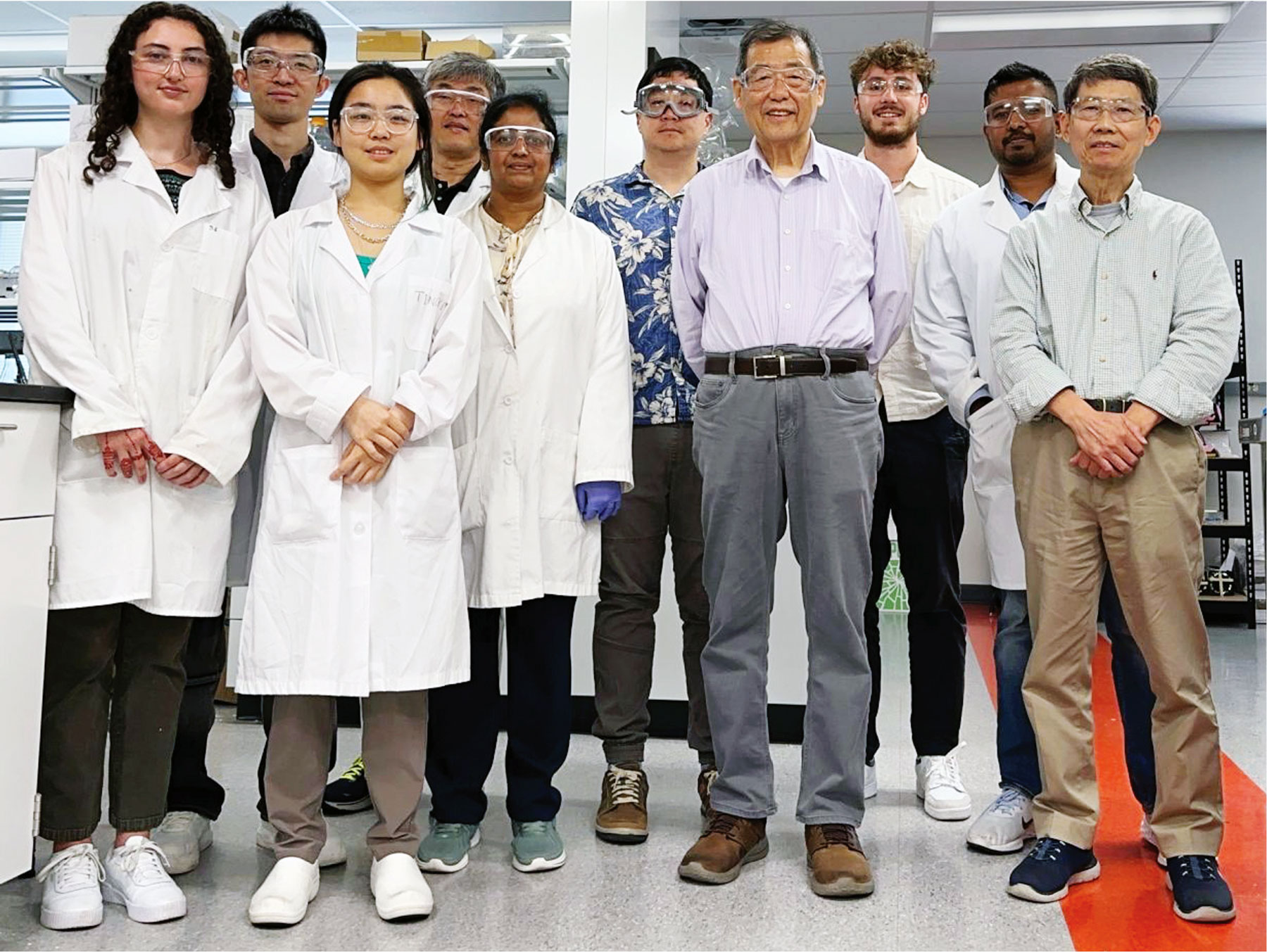
Liatris is commercializing building insulation that is non-flammable, non-toxic, environmentally friendly, and easy to install: a proprietary nanocomposite of readily available inorganic materials that drops in where foam goes today, with the non-combustibility of mineral wool and a path to the industry's lowest installed costs. The company has engaged in five MIPS projects, including one phase two, from low-cost nanopore foam to machine-learning-enhanced aerogel and AI-designed ultra-durable insulation film.

N5 Sensors

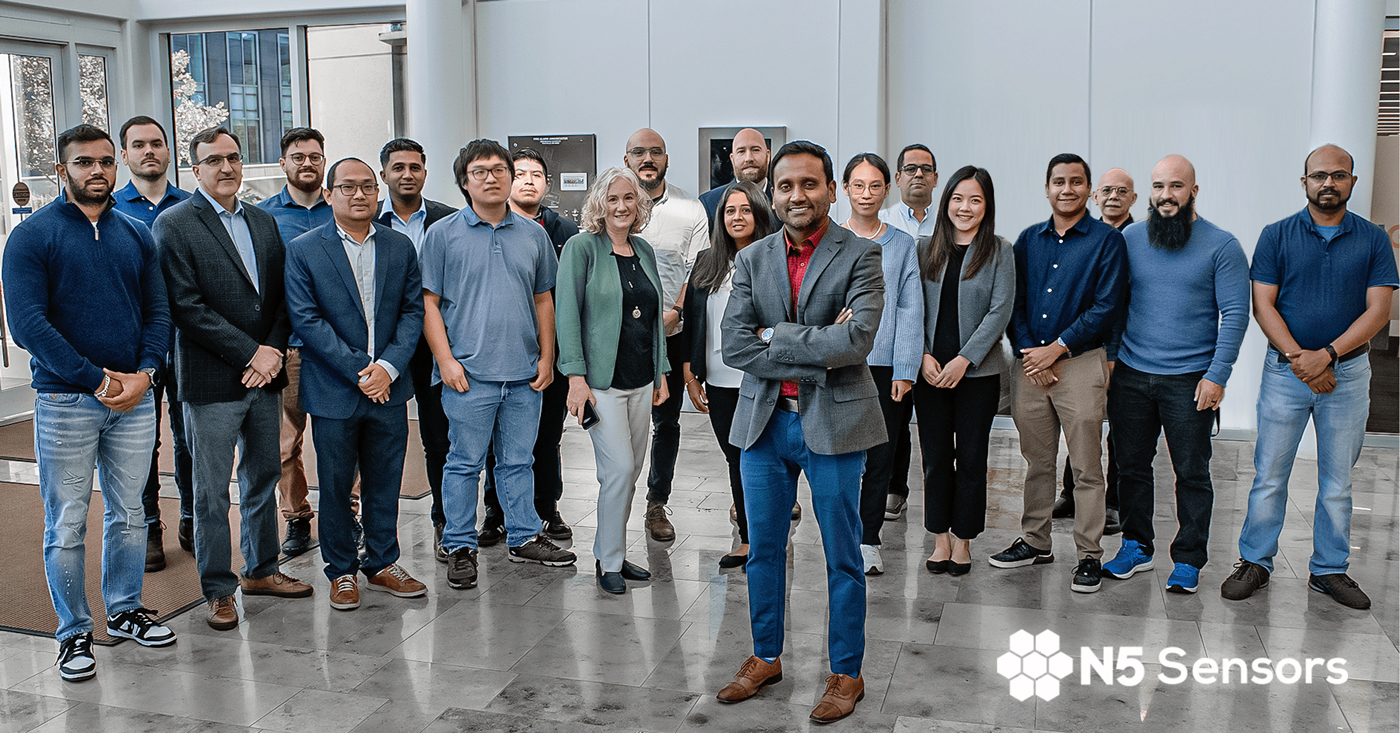
N5's wildfire detection platform, N5Shield™, networks small, solar- and battery-powered IoT sensors that detect and track fires in real time (no cellular service required), feeding cloud AI, a dashboard, and live alerts. It also detects hazardous air quality and gases from nitrogen dioxide and ozone to ammonia, chlorine, and hydrogen. Installed across 15 U.S. states and four Canadian territories, it protects 1 million acres and has issued 185 fire alerts and 1,588 air-quality warnings. Founder and CEO Abhishek Motayed developed the technology jointly with NIST while a research faculty member at UMD's IREAP, then licensed it from the university. N5's seven MIPS projects include three two-phase efforts, from chip-scale chemical sensors to ML-driven sensor arrays.

Group photo of the N5 Sensors team.

WATCH: N5 SENSORS

N5 Sensors

CoapTech logoCoapTech ↗

Breakthrough medical devices, including the PUMA Platform for procedures using point-of-care ultrasound in hollow organs.

RedShred logoRedShred ↗

Turns technical documents into a database: document processing and AI analysis through an API built for developers and data scientists.

Avidea Technologies logoAvidea Technologies

Next-generation T-cell immunotherapies for cancer, infections, and autoimmune disease. Its MIPS project partnered Professor Christopher Jewell with the company on treating autoimmunity with nanomaterials. Acquired by Vaccitech in 2021, and stayed in Maryland.

Linshom Medical logoLinshom Medical ↗

The first wearable, FDA-cleared, operating-room-quality respiratory profile at the bedside. Its MIPS project, led by UMB's Samuel M. Galvagno, evaluated early detection of respiratory decline in the post-anesthesia care unit.

Sirnaomics logoSirnaomics ↗

Clinical-stage RNA therapeutics for cancers, skin conditions, fibrosis-related, antiviral, and cardiometabolic diseases.

Vasoptic Medical logoVasoptic Medical ↗

Pioneering optical imaging for noninvasive monitoring and visualization of tissue blood flow.

MORE LEADING PRODUCTS AIDED BY MIPS

ON FILM

WATCH: WellDoc · Columbia, MD

Browse recent rounds.

The Project Archive →